Astrology has always fascinated people who want answers about why certain phases of life feel unusually tough. One term that keeps popping up in conversations with pandits, on YouTube videos, and in family WhatsApp groups is Kaal Sarp Dosh. Someone faces repeated delays in marriage, another struggles with a stalled career, and eventually a relative suggests checking the birth chart for this very placement. If you have ever wondered what this actually means and whether it deserves the attention it gets, this guide breaks it down in plain, relatable language.
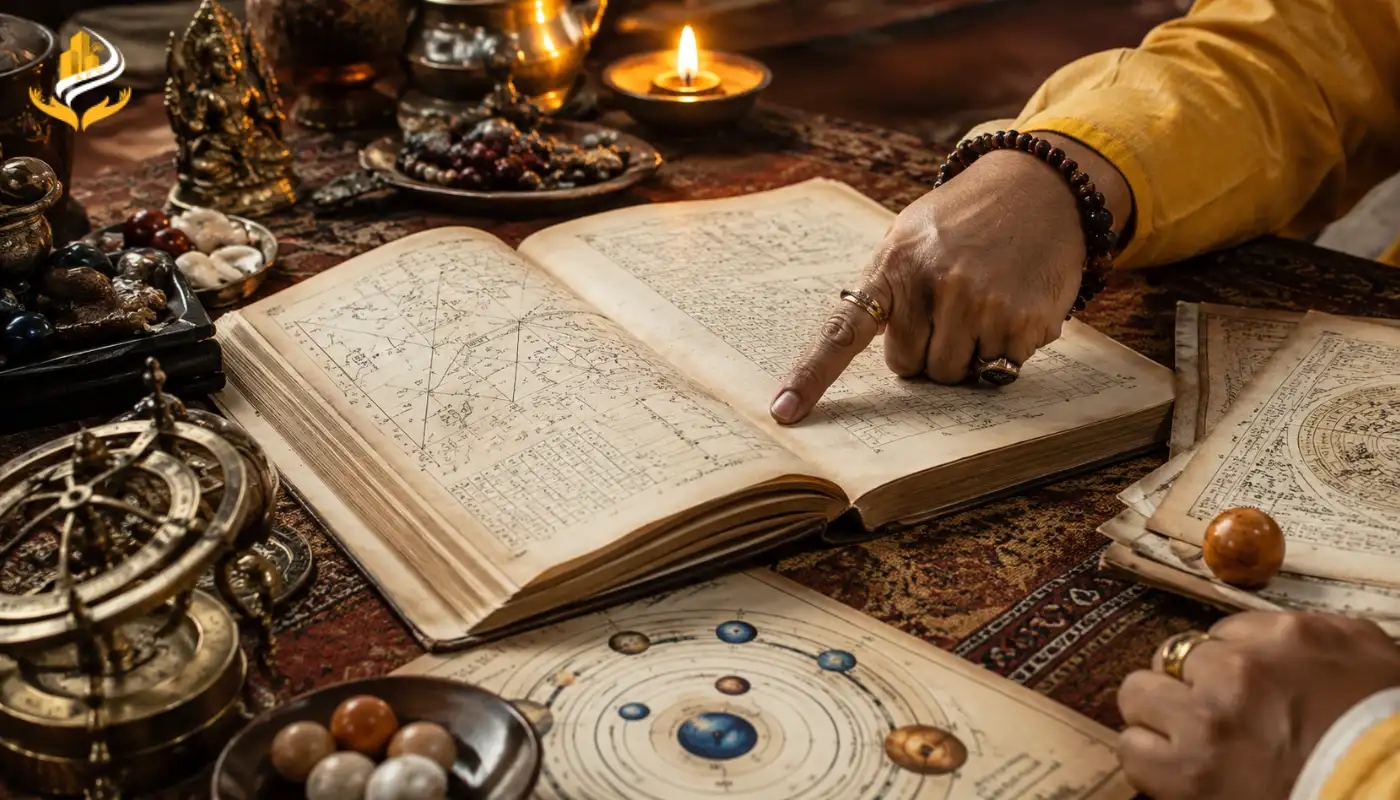
Understanding the Meaning of Kaal Sarp Dosh in Vedic Astrology
In Vedic astrology, this condition forms when all seven visible planets — Sun, Moon, Mars, Mercury, Jupiter, Venus, and Saturn — get positioned between the shadow points Rahu and Ketu in a birth chart. Think of Rahu and Ketu as two ends of a snake, and the planets trapped between them like the body coiled in between. That’s essentially where the name comes from: “Kaal” means time, “Sarp” means serpent, and “Dosh” means flaw or affliction.
Astrologers who study this placement often say it doesn’t automatically mean bad luck. It simply indicates that a person may experience life in cycles — long stretches of struggle followed by sudden, significant breakthroughs. A growing number of astrology consultation platforms have reported a rise of nearly 30 percent in queries related to Kaal Sarp Dosh over the past few years, which shows just how much curiosity surrounds it today.
How Does Kaal Sarp Dosh Actually Form in a Chart?
The formation depends entirely on the positioning of the lunar nodes, Rahu and Ketu. When every other planet falls on one side of this axis, without a single planet crossing over, the chart is said to carry this affliction. Even one planet positioned outside this range is enough to break the formation, which is why many people who assume they have it are actually chart-clear once a professional does a proper reading.
There isn’t just one version of this placement either. Depending on which houses Rahu and Ketu occupy, the effects and the name of the dosha change completely.
Different Types of Kaal Sarp Dosh Based on House Placement
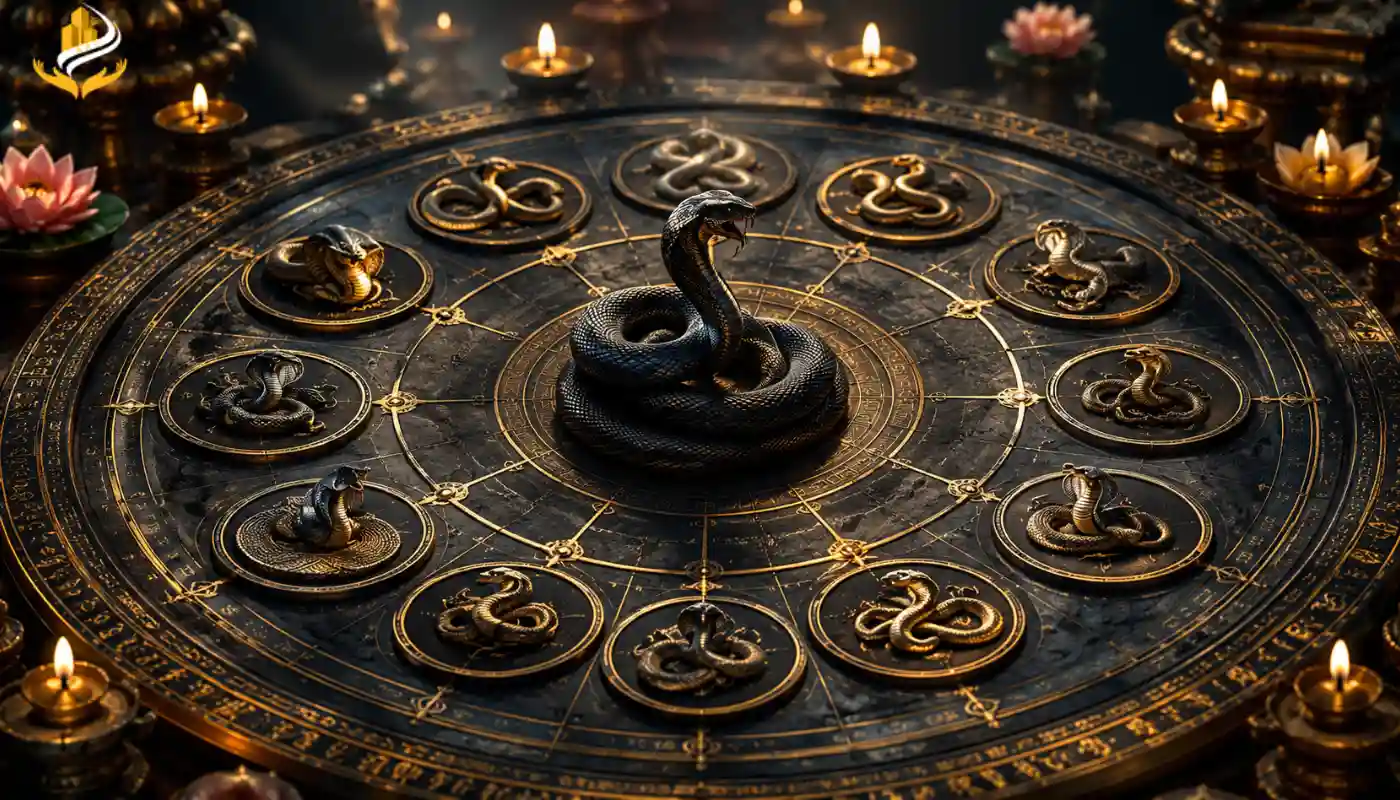
Vedic texts describe twelve distinct variations of this dosha, each named after a mythological serpent and each tied to specific houses in the chart. A few commonly discussed ones include Anant, Kulik, Vasuki, Shankhpal, Padma, and Takshak. Each type is believed to influence different areas of life — some lean more toward career hurdles, others toward health sensitivity or relationship friction. Interestingly, temple priests in regions known for remedial rituals, such as Trimbakeshwar in Maharashtra, mention that pilgrims from all over the country arrive specifically to perform pujas connected to these twelve variations, and footfall during eclipse seasons often multiplies several times over.
Common Signs People Associate With This Placement
People who believe they are affected by this often describe a similar pattern of experiences. Recognizing these patterns can help you understand why this topic generates so much interest.
- Frequent delays in major life events like marriage, childbirth, or career growth
- Sudden financial setbacks that don’t match one’s efforts or planning
- Recurring anxiety, restlessness, or vivid unsettling dreams
- Health issues that seem to appear without a clear medical cause
- A feeling of working extremely hard without proportionate results
It’s worth remembering that many of these experiences are common human struggles, and astrology offers one lens among many to make sense of them.
Effects of Kaal Sarp Dosh on Career, Relationships and Well-Being
This is usually where curiosity turns into concern. People often ask how this dosha shapes real, everyday outcomes rather than just chart theory.
In terms of career, individuals may notice a slower start followed by unexpected acceleration later in life — many successful entrepreneurs and public figures are, in fact, believed by astrologers to carry some form of this placement, which challenges the idea that it only brings misfortune. On the relationship front, delays in marriage or friction with a partner are commonly reported, though these tend to ease once the affected planetary period passes. Health-wise, some individuals report stress-related issues, sleep disturbances, or a general sense of low energy during specific planetary transits.
Financially, ups and downs are common, but many astrologers point out that the “down” phases often serve as preparation for a stronger comeback later. It’s this rollercoaster nature that makes the placement both intimidating and, oddly, a little reassuring for people going through a rough patch.
Remedies People Commonly Turn To
Once someone learns they might have Kaal Sarp Dosh, the next question is almost always about solutions. Traditional remedies vary widely depending on regional customs and personal belief systems.
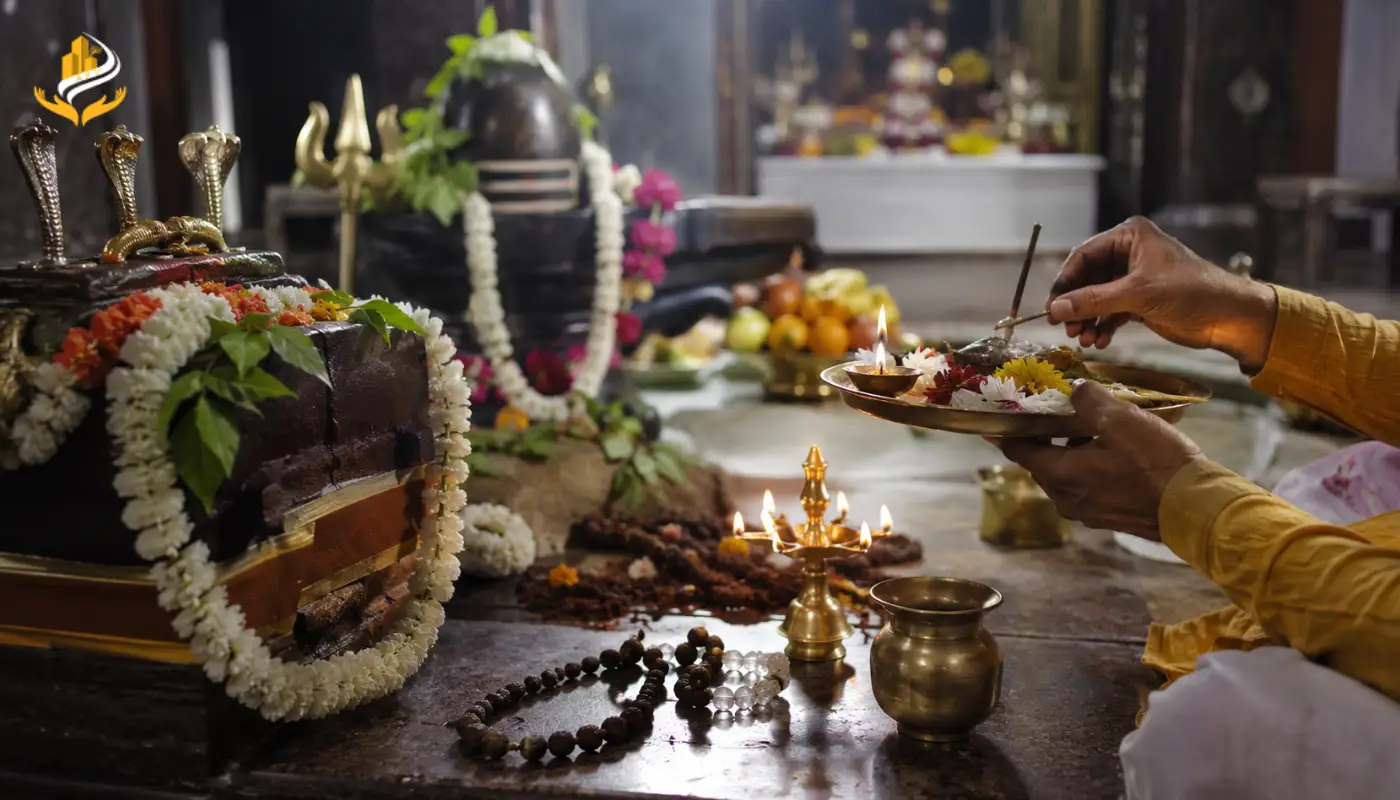
- Visiting Rahu-Ketu associated temples and performing prescribed pujas
- Chanting specific mantras dedicated to Rahu, Ketu, or Lord Shiva
- Wearing recommended gemstones after proper astrological consultation
- Observing fasts on particular days linked to the ruling planets
- Donating items associated with Rahu and Ketu to those in need
Many people find that these practices offer emotional comfort and a sense of control during uncertain times, even if the scientific basis remains debated. A large portion of astrology app users, according to recent industry data, say they turn to remedies primarily for peace of mind rather than guaranteed results, which says a lot about why this tradition continues to thrive in a digital age.
Myths and Facts Worth Knowing Before You Worry
A lot of unnecessary panic spreads because of half-true information passed around casually. Separating myth from fact can save a lot of stress.
One major myth is that Kaal Sarp Dosh guarantees a miserable life — that simply isn’t supported by classical texts, which describe it as a phase-based influence rather than a permanent curse. Another myth is that every person with delayed marriage or career struggles must have this placement, when in reality countless other planetary combinations can cause similar patterns. On the factual side, the dosha’s intensity genuinely does depend on which houses are involved and the overall strength of the chart, so a personalized reading matters far more than generic online quizzes.
Should You Take This Seriously?
The honest answer is that it depends on your personal belief system and how you approach uncertainty in life. Astrology, for many, works as a comforting framework rather than a rigid prediction machine. If checking your chart brings clarity or motivates you to take proactive steps in your career, health, or relationships, there’s genuine value in that process. If it starts to fuel constant anxiety, it may help to balance that curiosity with practical planning and professional guidance, whether that’s financial advice, medical care, or simply talking things through with someone you trust.
Life rarely moves in a straight line for anyone, dosha or not. What matters most is how you respond to the challenges that come your way, and astrology at its best is simply one more tool to help you reflect and move forward with a little more confidence.
Frequently Asked Questions
1. What is Kaal Sarp Dosh in simple words?
It’s a planetary formation in Vedic astrology where all seven major planets sit between Rahu and Ketu, believed to create alternating cycles of struggle and success in a person’s life.
2. Is Kaal Sarp Dosh always harmful?
No, its effects vary by type, house placement, and overall chart strength. It’s not automatically a sign of a difficult life.
3. How can I check if I have this dosha?
A qualified astrologer needs to examine your full birth chart, since even one planet outside the Rahu-Ketu axis breaks the formation.
4. How many types of this dosha exist?
Classical texts describe twelve types, each tied to a specific house placement and named after a mythological serpent.
5. Does this dosha affect marriage?
Many people report delays in marriage during certain planetary periods, though this isn’t universal for everyone with the placement.
6. Can career growth be affected too?
Yes, some individuals experience a slower start followed by strong, unexpected growth later in their careers.
7. Are there any known remedies?
Common remedies include temple visits, mantra chanting, fasting, and donations, though beliefs around effectiveness vary widely.
8. Which temples are popular for related rituals?
Trimbakeshwar in Maharashtra is one of the most visited destinations for related pujas, especially during eclipse periods.
9. Does every family member get affected the same way?
No, each person’s chart is unique, so effects differ even between siblings or close relatives.
10. Can this dosha be completely removed?
Most astrologers believe its influence can be eased through remedies and favorable planetary periods, rather than fully erased.
11. Is there scientific proof behind this concept?
There’s no scientific validation; it remains part of traditional belief systems and personal faith.
12. What age does this dosha usually show its effects?
Effects are often linked to specific planetary periods (dashas), which can occur at different life stages for different people.